General-Purpose Carbide Inserts
| Workpiece material | Grade | Positioning |
| Steel | VT-CS-1 | General-purpose; High cost performance |
| Stainless Steel | VT-CS-2 | General-purpose; High cost performance |
| Cast Iron | VT-CC-1 | General-purpose; High cost performance |
| Aluminum | VT-CA-1 | General-purpose; High cost performance |
|
|
|
|
|
|
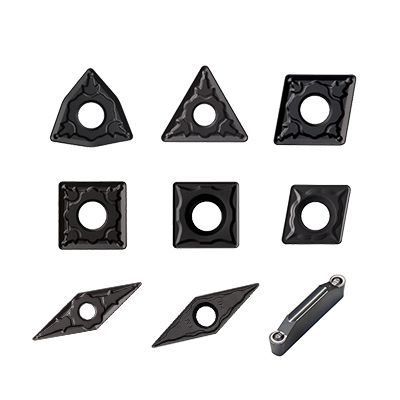
| VNMG | VBMT | DNMG | DCMT | TNMG | TCMT |
|
|
|
|
| |
| SNMG | SCMT | WNMG | CNMG | CCMT |
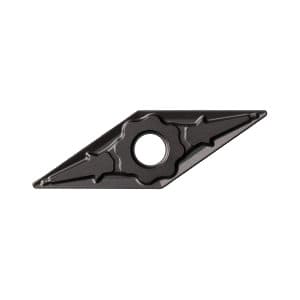
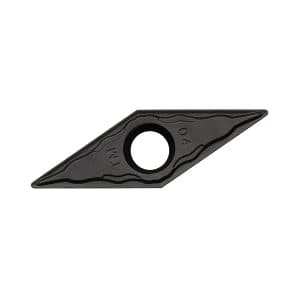
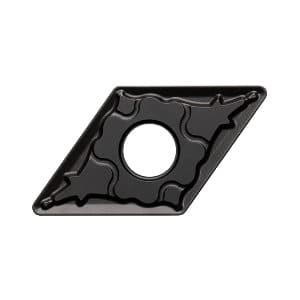
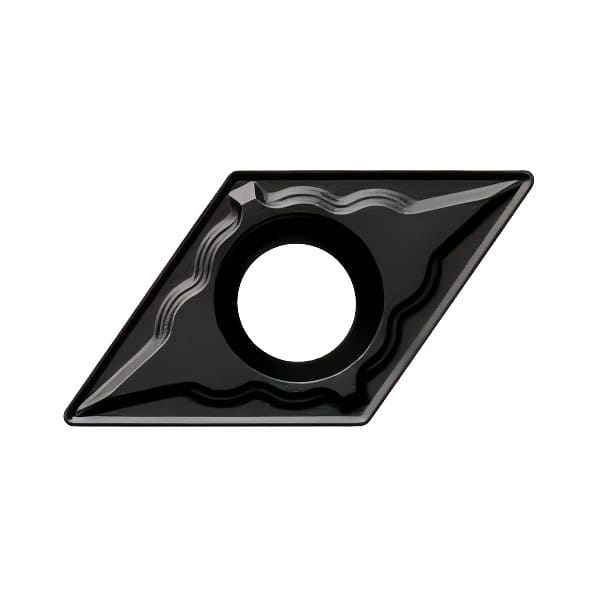
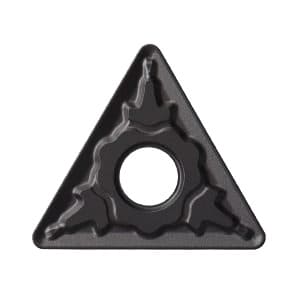
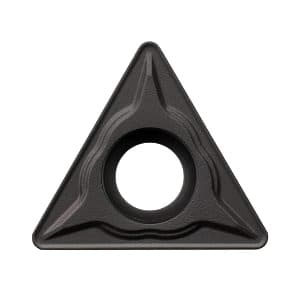
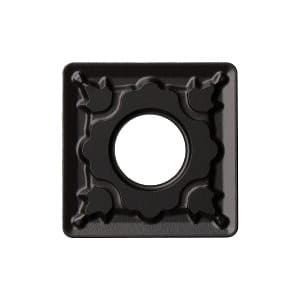
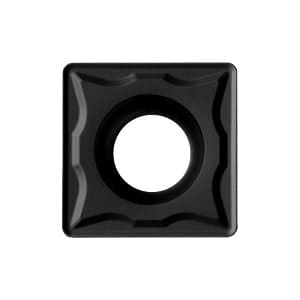
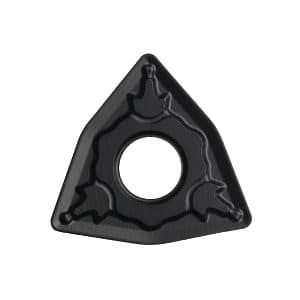
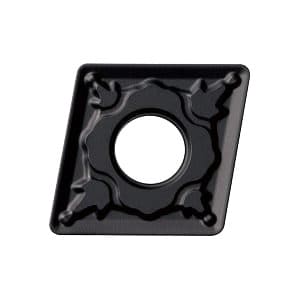
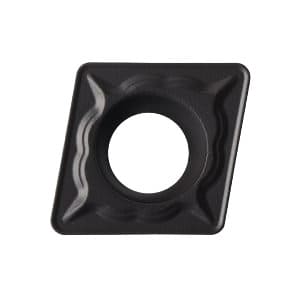
Steel Turning Shafts · Bushings · Flanges · General machine components · Automotive components Stainless Steel Turning Stainless steel shafts · Fittings · Valves · General stainless components | Cast Iron Machining Brake components · Housings · Pump components · Automotive castings Aluminum Machining Aluminum components · Automotive parts · General non-ferrous components |
1. What are carbide inserts used for?
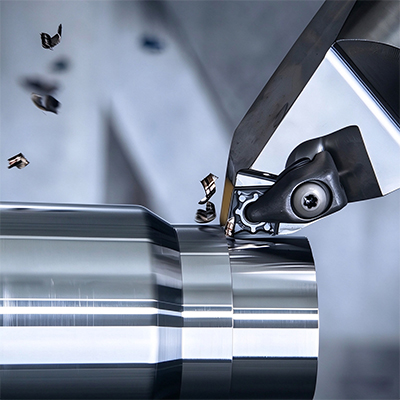
Carbide inserts are widely used for turning, facing, profiling and other machining operations across a range of metal materials.
2. How do I select a carbide insert grade?
For general-purpose applications, select the grade according to the workpiece material first, then choose the appropriate insert geometry, chipbreaker and size according to the machining operation.
3. What is the difference between carbide and CBN inserts?
Carbide inserts are suitable for a broad range of conventional machining applications, while CBN inserts are primarily used for hardened steels, cast irons and other difficult-to-machine ferrous materials.
4. What is the difference between carbide and PCD inserts?
Carbide is a general-purpose cutting material for many metalworking applications, while PCD is primarily used for aluminum, non-ferrous metals, composites and other abrasive non-metallic materials.